
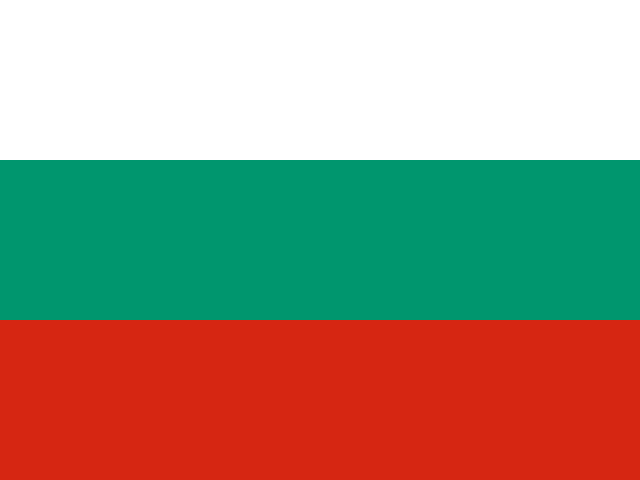
Bulgaria
Bulgaria decriminalized homosexuality in 1968 and has broad anti-discrimination since 2004 (EU obligation), but Article 46 of the Constitution (since 1991) defines marriage as man-woman union and blocks any recognition. In February 2023, the Supreme Court of Cassation interpreted that "sex" means only biological, de facto blocking legal gender change. On July 28, 2023, sexual orientation was added as an aggravator for crimes in the Criminal Code. 2024 rollback: August 7, 2024 the parliament approved a rewrite of the schools statute that prohibits the 'promotion' of non-traditional orientations or any gender identity other than biological (effective August 16, signed by President Radev). No conversion therapy ban. GLOBSEC 2023: 21% support marriage, 69% oppose. Sofia Pride in June (police escort) · small scene in Sofia and Plovdiv · 2020: anti-LGBT "cleansing action" with assaulted minors in Plovdiv.
LGBTQI+ legal framework · Bulgaria
Social context · Bulgaria
GLOBSEC March 2023: 21% support marriage equality, 69% oppose. Post-communist Orthodox with socially conservative attitudes typical of Central-Eastern Europe. Sofia more open.
Source →Hate crimes against LGBT common, often ignored by authorities. Sept 27, 2020: 14-15 year-old minors assaulted in Plovdiv as anti-LGBT "cleansing action." Sofia Pride requires police escort.
Source →Indicative data as of 2026-06-02. Check the destination country's official sources before travelling.
Experiences
gay friendly · Bulgaria
Top-booked tours and activities, with instant booking via Viator.
Affiliate links to selected experiences
Evolution
LGBTQI+ · Bulgaria
Anti-LGBT 'propaganda' law in schools
Bulgaria's schools statute was rewritten on Aug 7, 2024 to bar the 'promotion' of non-traditional orientations or non-biological gender identities in classrooms. Signed by President Rumen Radev, the text took effect on the 16th.
CJEU: Bulgaria must allow legal gender recognition
On 12 March 2026 the Court of Justice of the EU (Case C-43/24 Shipova) ruled that member states must provide legal gender recognition. The judgment directly overrides Bulgaria's 2023 Supreme Court of Cassation interpretive decision that had blocked gender marker changes.
Destinations
gay friendly near Bulgaria
If you're going to move around the region, these countries also fit on the route.
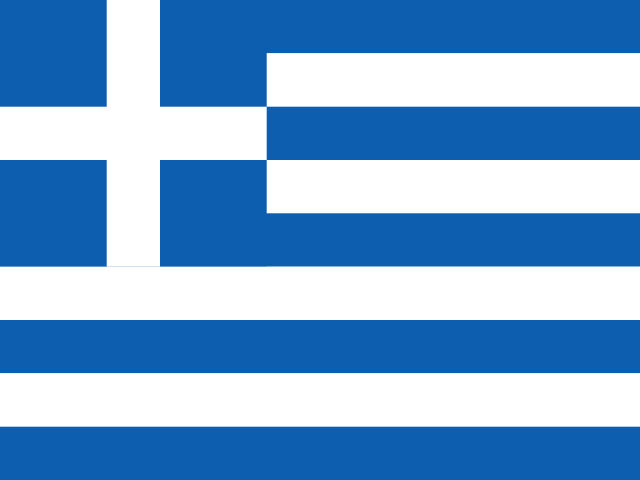
Greece
Greece approved marriage equality in February 2024 (176 in favor, 76 against, 48 abstentions (300 MPs)) — first Orthodox Christian country…
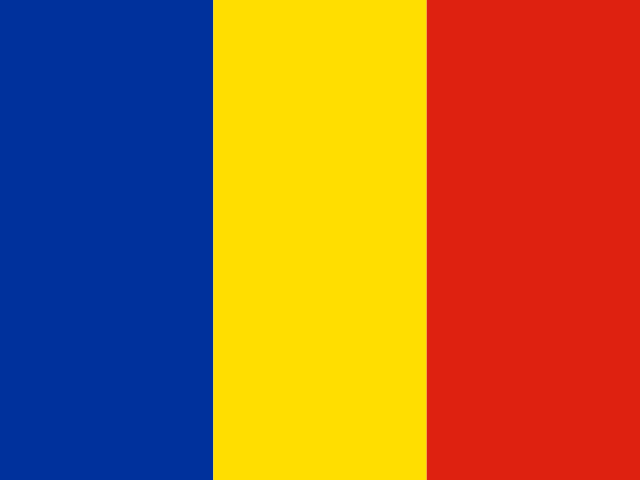
Romania
Romania decriminalized homosexuality very late, in January 2002, after an ordinance signed by President Iliescu. The Constitution was not…
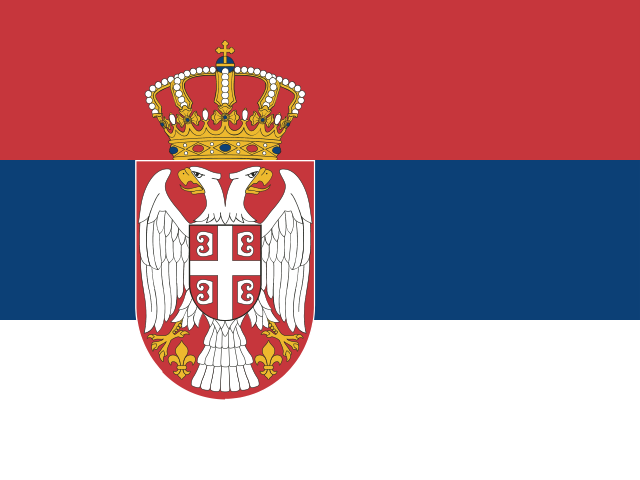
Serbia
Serbia decriminalized homosexuality in 1994. The Constitution explicitly bans marriage equality; households built around same-sex partners…
mapa.gay earns a small commission on bookings made through affiliate links.