
12 best gay friendly cities in Latin America 2026
Twelve cities where Latin America's LGBTQI+ scene runs deepest, between cutting-edge legal frameworks and some of the largest Pride marches on the planet. Mexico, Argentina, Brazil, Colombia, Uruguay and Chile all have marriage equality; São Paulo and Mexico City fill the streets with marches in the millions. The ranking weighs documented scene —gay neighborhood, Pride with verifiable figures, real nightlife— over city size.
- #1
 See full guide →
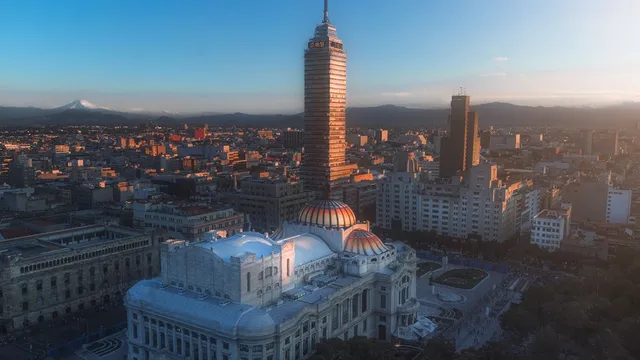
Latin America's gay capital, no contest. The Zona Rosa (Colonia Juárez) packs over 200 LGBT businesses into just 16 blocks, with Roma Norte and Condesa rounding out the more cosmopolitan side. It was the first Latin American city to pass marriage equality (December 2009). Its June Pride march draws around 800,000 per the city government —organizers claim over a million.
- #2
 See full guide →
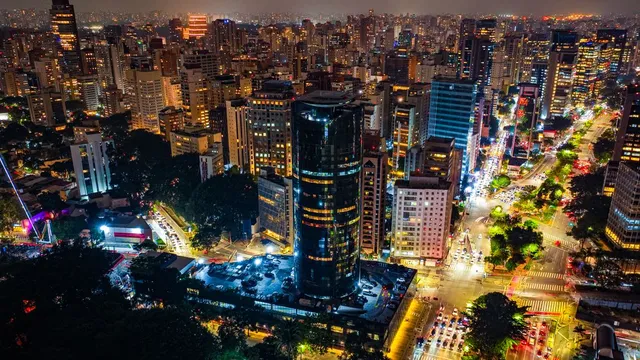
Home to the world's largest Pride per Guinness: it entered the book in 2006 with 2.5 million and has hovered around 3-5 million in recent years along Avenida Paulista. Brazil has a full legal framework —marriage equality since 2013— and its Supreme Court put homophobia on a par with racism. The scene lives in Frei Caneca and the Jardins, with nightlife that never lets up.
- #3
 See full guide →
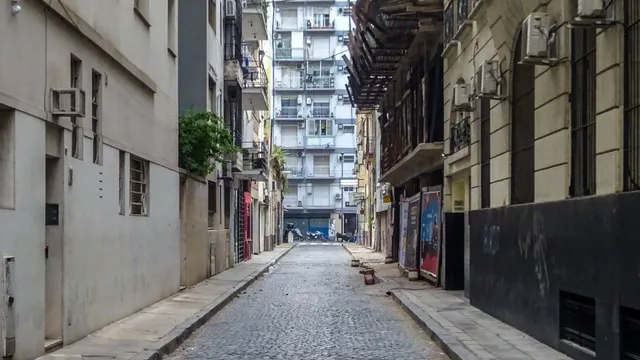
Many call it South America's gay capital, and Argentina was the first country in the region to pass marriage equality (July 2010). Palermo —Soho and Hollywood— concentrates the bars, clubs and hotels, backed by Recoleta and San Telmo. A cultured, nocturnal and (for visitors) affordable city, with a historically combative trans community.
- #4
 See full guide →
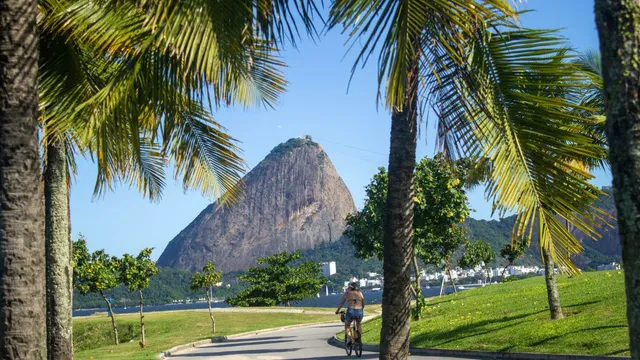
The beach destination par excellence, with an unmistakable gay hub in Ipanema: Rua Farme de Amoedo and the sand around Posto 9 have been meeting points for decades. Lapa brings the wildest nights, between samba and archways. Brazil's first Pride march took place here, on Copacabana in 1995, and Carnival remains its great queer event.
- #5
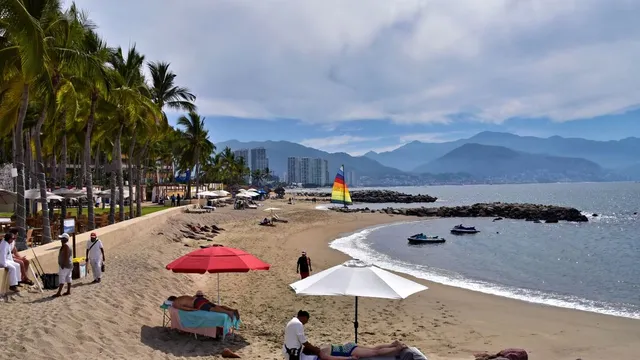 See full guide →
Mexico's great gay beach destination, nicknamed the “San Francisco of Mexico.” The Zona Romántica (Old Town) is one of the most concentrated gay neighborhoods in Mexico —hotels, bars and clubs at street level— with Playa Los Muertos as its signature sand. May's Vallarta Pride and winter's Bear Week anchor the calendar.
- #6
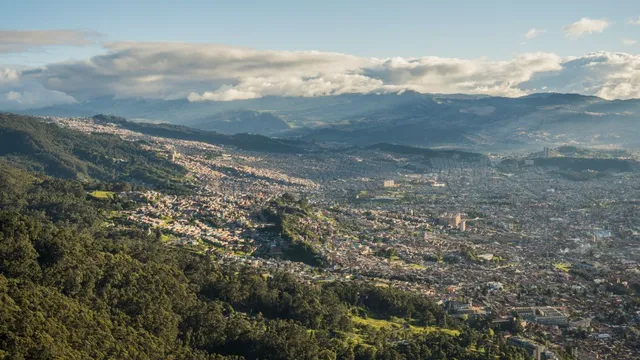 See full guide →
Chapinero is the engine: over a hundred bars, clubs and venues, including Theatron, Latin America's largest gay nightclub, with more than a dozen rooms under one roof. Colombia legalized marriage equality by Constitutional Court ruling in April 2016. A cold, high-altitude capital —but with one of the most intense queer nightlives on the continent.
- #7
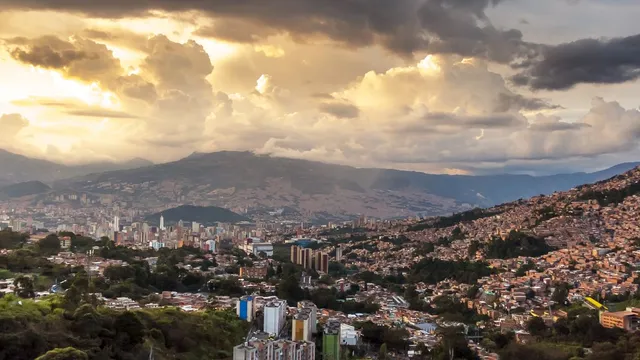 See full guide →
The “city of eternal spring” (17-28 °C year-round) is Colombia's fastest-growing scene. The gay-friendly buzz clusters in El Poblado, around the pedestrian Provenza strip, with an increasingly visible community. Good weather, low prices and an urban turnaround that have put it on the LGBTQI+ travel map.
- #8
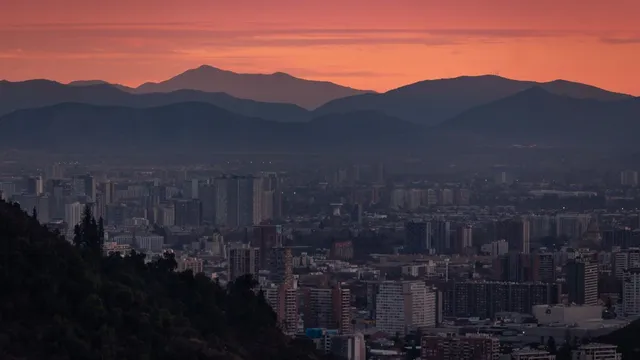 See full guide →
The most established Southern Cone scene after Buenos Aires. Bellavista, the bohemian district at the foot of Cerro San Cristóbal, gathers the queer nightlife (Bunker, Fausto). Chile passed marriage equality in March 2022, preceded by civil unions since 2015. The 2012 murder of Daniel Zamudio was a turning point and gave its name to the country's anti-discrimination law.
- #9
 See full guide →
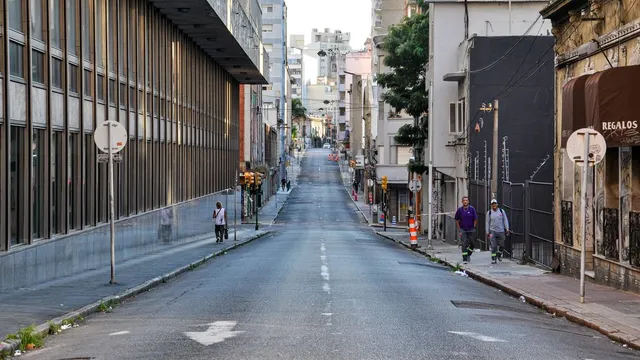
A smaller scene than the big capitals, but probably the region's most gay-friendly destination by legal framework and acceptance. Uruguay was the first Latin American country with civil unions (2008) and the third in South America with marriage equality (2013), with one of the world's most advanced trans laws. September's March for Diversity is huge relative to the country's size.
- #10
 See full guide →
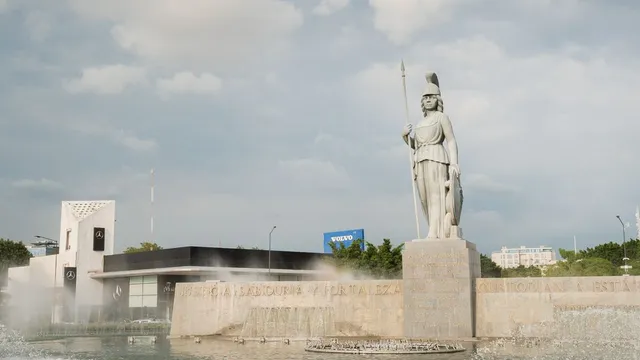
The other “Mexican San Francisco,” and with reason: the Colonia Americana —named the world's coolest neighborhood by Time Out in 2022— and Avenida Chapultepec concentrate cantinas, bars and nightlife. Its Diversity March, first held in 1982, is among the oldest in Latin America. Less touristy than Vallarta, more of a real-city feel.
- #11
 See full guide →
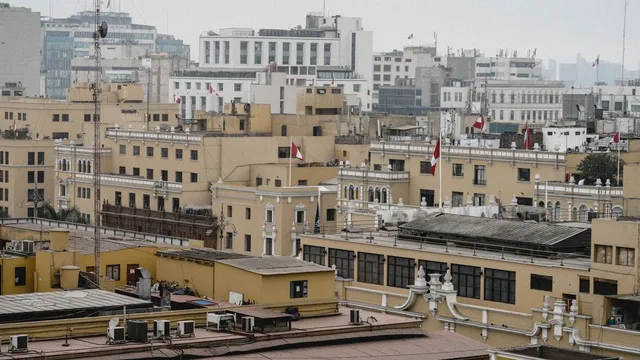
The big city still lagging legally: Peru has no marriage or civil union yet (the Constitutional Court rejected it in 2020 and 2022). Even so, Miraflores is the most comfortable district for visitors, with Parque Kennedy as a historic landmark —site of the first LGBT demonstration, in 1995— and a Pride march that has grown every June since 2002. World-class food as a bonus.
- #12
 See full guide →
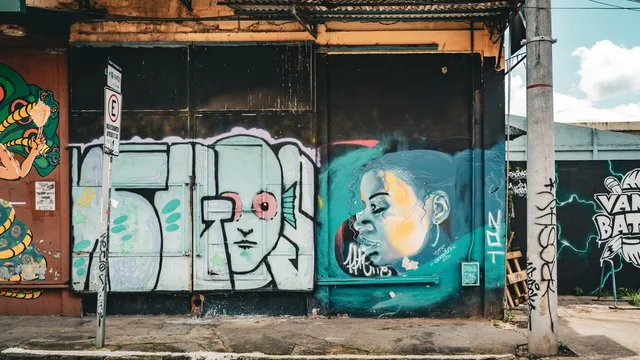
The only Central American entry, and it earns it: Costa Rica was the first country in Central America with marriage equality, in May 2020. In San José the recognisable gay district is Barrio Escalante, with San Pedro next door, and long-running bars like El Teatro and La Avispa hold the centre. The Marcha de la Diversidad takes place in late June: 4 km from La Sabana to Plaza de la Democracia, the country's largest though modest next to the Brazilian or Mexican ones. Three hours away by road, Manuel Antonio has spent decades as one of the continent's best-known gay beach destinations.
Latin America pairs some of the world's most advanced legal frameworks —Argentina, Uruguay, Mexico, Colombia, Brazil and Chile all have marriage equality— with very uneven realities: acceptance and safety vary widely between the big city and the rest of the country. The ranking prioritizes documented scene and verifiable data; cities without an identifiable LGBTQI+ neighborhood or a Pride with real presence are left out.